henderson nv dentist

Henderson Dental Implants

January 14th, 2026

Dental Implants in Henderson: Start Your Treatment Early at Christensen Dental

The beginning of a new year brings fresh starts, new goals—and for many patients—renewed dental insurance benefits. If you’ve been considering a dental implant but have been waiting for “the right time,” this is it. Starting the dental implant process early in the year allows you to maximize your benefits, spread treatment over multiple benefit periods, and often complete your implant and crown before the end of the year.

Dental implants are one of the most reliable, long-lasting solutions for replacing missing teeth. They look natural, function like real teeth, and help preserve your oral health for years to come. For patients seeking a dental implant in Henderson, understanding how insurance benefits, treatment stages, and timelines work together can make the decision much easier. Dr. Ashley Christensen is the perfect choice for placing your implant at Christensen Dental.

In this article, we’ll break down:

• Why renewed dental benefits are a major advantage

• How dental implants are placed and restored

• A realistic healing timeline (3–4 months before the crown is placed)

• Why starting early can help you finish treatment within the same year

• How our Henderson, NV dentists at Christensen Dental help guide patients through the process

How Renewed Dental Benefits Can Lower Out-of-Pocket Costs

Most dental insurance plans reset annually, typically on January 1. This reset includes:

• Annual maximums

• Deductibles

• Coverage eligibility

Once the calendar year begins, your benefits start fresh—regardless of whether you used them the year before. If you didn’t use your full annual maximum last year, that money is gone. That’s why planning larger treatments, like dental implants, early in the year is so beneficial.

Why Dental Implants Work Well with Annual Insurance Cycles

Dental implants are completed in stages, often spanning several months. This makes them ideal for patients who want to:

• Use benefits across multiple phases of treatment, when possible

• Potentially apply insurance coverage to both surgical and restorative steps

• Avoid rushing care near the end of the year

Starting early gives our dental team time to plan strategically, helping you get the most value from your coverage.

________________________________________

What Is a Dental Implant?

A dental implant is a permanent tooth replacement option made up of three main components:

1. The implant post – a small titanium screw placed into the jawbone

2. The abutment – a connector that attaches to the implant

3. The implant crown – the visible, tooth-shaped restoration

Together, these parts function like a natural tooth root and crown, offering strength, stability, and aesthetics unmatched by other tooth replacement options.

Patients looking for a dental implant in Henderson often choose them because they:

• Do not rely on neighboring teeth for support

• Help prevent bone loss in the jaw

• Feel and function like natural teeth

• Can last decades with proper care

________________________________________

The Dental Implant Process: Step by Step

Understanding the stages of implant treatment helps patients feel confident and prepared. While every case is unique, most implant treatments follow the same general path.

________________________________________

Stage 1: Consultation and Treatment Planning

Your journey begins with a comprehensive consultation. During this visit, your dentist will:

• Review your medical and dental history

• Take digital X-rays or 3D imaging (CBCT scans)

• Evaluate bone density and gum health

• Discuss your goals, timeline, and budget

This planning phase is critical to long-term implant success. Our experienced Henderson, NV dentist, Dr. Ashley Christensen, uses advanced imaging to ensure the implant is placed in the ideal position for function and aesthetics.

This is also when insurance benefits are reviewed. Starting early in the year allows your dental team to:

• Estimate coverage

• Schedule treatment around benefit maximums

• Plan ahead if multiple phases are needed

Stage 2: Dental Implant Placement Surgery

Once planning is complete, the implant post is surgically placed into the jawbone. This procedure is typically:

• Performed under local anesthesia (with sedation options available)

• Completed in about 1–2 hours for a single implant

• Comfortable, with most patients returning to normal activities within a day or two

The titanium implant acts as an artificial tooth root. Over time, it will fuse with the bone in a process called osseointegration—the foundation of implant success.

Stage 3: Healing Timeline: 3–4 Months for Implant Integration

After implant placement, the healing phase begins. This is one of the most important stages of the process.

What Happens During Healing?

Over the next 3–4 months, your jawbone gradually grows around the implant, locking it securely in place. This healing time:

• Ensures long-term stability

• Allows the implant to function like a natural tooth root

• Reduces the risk of implant failure

While you won’t have the final crown yet, many patients are able to:

• Wear a flipper with a prosthetic tooth on it when the missing tooth is in the smile line

• Eat comfortably with minor adjustments

• Continue normal daily activities

Starting the implant process early in the year is key here. By placing the implant in the first few months, you allow plenty of healing time so the crown can be placed well before the end of the year.

________________________________________

Stage 4: Abutment Placement

Once healing is complete, the abutment is attached to the implant. This small connector:

• Extends slightly above the gumline

• Serves as the anchor for the crown

In some cases, the abutment is placed at the same time as the implant. In others, it’s placed after healing. Dr. Ashley Christensen will determine the best approach for your situation.

Stage 5: Placing the Implant Crown

The final step is the placement of the implant crown—the part that looks and functions like a natural tooth.

Your dentist will:

• Take impressions or digital scans

• Customize the crown to match your natural teeth

• Ensure proper bite and alignment

Once placed, the crown completes your smile and restores full chewing function. This is done by Dr. Ashley Christensen or Dr. Tyler Christensen, depending on who your provider is. At this point, your dental implant treatment is officially complete.

Why Starting Early Helps You Finish Treatment Before Year-End

Timing plays a huge role in implant treatment success—both clinically and financially.

1. Complete Treatment Before Year-End

Because implants require healing time, starting early means:

• Implant placement in the first half of the year

• Healing completed by late summer or early fall

• Crown placement before December

This allows patients to enjoy their full, restored smile within the same year they begin treatment.

________________________________________

2. Maximize Insurance Benefits

Dental insurance may help cover:

• Exams and imaging

• Implant placement (depending on the plan)

• Crowns or restorations

By starting early, patients can:

• Apply benefits strategically

• Avoid rushing treatment to meet deadlines

• Plan for out-of-pocket costs more comfortably

Our Treatment Coordinator and Claims Manager can also help coordinate treatment across benefit periods if needed.

________________________________________

3. Avoid End-of-Year Scheduling Stress

Dental offices tend to book quickly toward the end of the year as patients rush to use remaining benefits. Starting early gives you:

• More appointment availability

• Flexible scheduling

• Less stress overall

Patients seeking a dental implant in Henderson often find that early planning leads to a smoother, more relaxed experience.

Benefits of Choosing a Dental Implant in Henderson, NV

Dental implants are not just about replacing a missing tooth—they’re about protecting your overall oral health.

Preserve Jawbone Health

When a tooth is lost, the jawbone beneath it begins to shrink. Implants stimulate the bone, helping to:

• Maintain facial structure

• Prevent premature aging

• Support neighboring teeth

________________________________________

Improve Chewing and Speech

Implants restore full bite strength, allowing you to:

• Eat your favorite foods confidently

• Speak clearly without slipping or movement

Unlike dentures, implants stay firmly in place.

________________________________________

A Natural Look and Feel

Implant crowns are custom-designed to match your natural teeth in:

• Color

• Shape

• Size

Most people can’t tell the difference between an implant and a natural tooth.

Are You a Good Candidate for Dental Implants?

Many adults are excellent candidates for implants, especially if they:

• Are missing one or more teeth

• Have healthy gums

• Have adequate bone or are open to bone grafting

• Are in good overall health

A consultation with our experienced Henderson, NV dentists is the best way to determine if implants are right for you.

________________________________________

Frequently Asked Questions About Dental Implant Timing

How long does the entire implant process take?

Most cases take 4–6 months from start to finish, with 3–4 months dedicated to healing before the crown is placed.

Can I start now and finish this year?

Yes! Starting early in the year often allows patients to complete both implant placement and crown restoration before year-end.

Does insurance cover dental implants?

Coverage varies by plan. Some plans cover portions of the procedure, especially the crown. Our dental office can help verify benefits.

________________________________________

Take Advantage of Your Renewed Benefits Today

If you’ve been thinking about replacing a missing tooth, there’s no better time to start than now. Renewed dental benefits, a predictable healing timeline, and expert planning all work together to make the beginning of the year the ideal time to begin implant treatment.

Starting early allows you to:

• Maximize insurance benefits

• Allow proper healing time

• Complete your implant and crown before the end of the year

• Enjoy a confident, functional smile sooner

For patients considering a dental implant in Henderson, partnering with our trusted Henderson, NV dentists ensures every step of the process is comfortable, personalized, and successful.

Don’t let another year pass with unused benefits or an incomplete smile. Schedule a consultation today and take the first step toward restoring your smile—one implant at a time.

Understanding Your Dental Insurance in the New Year

January 6th, 2026

Your Friendly Guide from the Christensen Dental Team | Henderson Dentists You Can Trust

As we welcome a brand-new year, we know what many of you are thinking—here we go again with dental insurance. Every January, our phones ring with the same questions, and honestly, we completely understand why. Benefits reset, deductibles start over, and suddenly your plan looks different than it did just a few weeks ago.

This guide is written directly to you, our Christensen Dental patients, from us—the front office, treatment coordinators, and clinical team who help you navigate insurance every single day. As your local Henderson dentists, our goal is simple: help you understand your benefits so you can make confident decisions about your smile this year.

Grab a cup of coffee, and let’s break it down together.


Why Dental Insurance Feels So Confusing at the Start of the Year

January is what we call “insurance reset season.” That means:

  • Annual maximums start over
  • Deductibles reset
  • Frequency limits restart (cleanings, exams, X-rays)
  • Employer plans may change carriers or coverage

From our side of the desk, we see many patients assume unused benefits roll over or that waiting somehow saves money. Unfortunately, dental insurance doesn’t work that way—and we wish it did.

As Henderson dentists, we want you to use your benefits strategically, not lose them at the end of the year.


What Dental Insurance Really Is (And What It Isn’t)

We like to be honest and upfront:

Dental insurance is not designed to cover 100% of your dental care.

Instead, it’s a cost-sharing tool meant to help with routine care and assist with larger treatments—not eliminate out-of-pocket costs altogether.

Most plans follow this general structure:

  • Preventive care (cleanings, exams, X-rays): often covered at 100%
  • Basic care (fillings, simple extractions): usually 70–80%
  • Major care (crowns, bridges, root canals): typically 40–60%

Annual maximums—often $1,000 to $2,000—haven’t increased much over the years, even though dental technology and materials have improved significantly.

This is why, as Henderson dentists, we place such a strong emphasis on prevention and early treatment.


Annual Maximums & Deductibles (In Plain English)

Annual Maximums

Your annual maximum is the total amount your insurance will pay in a calendar year.

Example:

  • Your plan max is $1,500
  • Insurance pays up to $1,500 total
  • Once that’s used, remaining costs are your responsibility

This resets every January 1—use it or lose it.

Deductibles

A deductible is the amount you pay before insurance contributes to certain services. Preventive care usually bypasses this, but fillings and crowns often don’t.

Most deductibles are small ($25–$100), but they do reset every year.

From our office staff perspective, completing treatment earlier in the year gives you access to your full benefit amount.


Preventive Care: The Best Way to Protect Your Benefits

If we could give one piece of advice as Henderson dentists, it would be this:

Don’t skip your cleanings.

Preventive visits help:

  • Catch problems early
  • Avoid more expensive treatment later
  • Fully utilize benefits your insurance already covers

Patients who stay consistent with cleanings and exams almost always spend less over time—and have healthier smiles to show for it.


Understanding Employer-Sponsored Family Dental Plans

Many of our Christensen Dental patients have dental insurance through their employer. These plans can be helpful, but they vary a lot.

What Employers Control

Your employer chooses:

  • The insurance carrier
  • Coverage levels
  • Annual maximums
  • Network rules

That means two patients with the same insurance company may have completely different benefits.


Family Plan Tips

With family coverage:

  • Each family member typically has their own annual maximum
  • Deductibles may be individual or shared
  • Ortho benefits are often limited and age-restricted

Our team frequently helps families plan treatment across the year so benefits are used wisely, while still making your oral health the priority.


Dependent Age Limits

Most employer plans end dependent coverage at age 26. If your child is nearing that age, the new year is a great time to plan ahead.


In-Network vs. Out-of-Network: What You Should Know

We hear this question daily.

  • In-network: The office has a contract with the insurance company
  • Out-of-network: The office does not—but many PPO plans still pay benefits

At Christensen Dental, our focus is on quality care and transparency, not insurance-driven treatment. Many patients are surprised to learn they still receive excellent coverage even when seeing out-of-network Henderson dentists.

And remember—you always have the right to choose your dentist.


Dental Insurance & Medicare: Clearing Up the Confusion

Original Medicare (Parts A & B)

Traditional Medicare does not cover routine dental care, including:

  • Cleanings
  • Exams
  • Fillings
  • Crowns
  • Dentures


Medicare Advantage (Part C) Plans

Many Medicare Advantage plans include dental benefits, but coverage varies widely.

These plans often include:

  • Limited annual maximums
  • Network restrictions
  • Co-pays instead of percentages

From our office staff experience, these plans look great on paper but can be restrictive in practice. We always recommend reviewing benefits each January. We are happy to go over your benefits when you come for your office visit, or you can contact your insurance broker.

As Henderson dentists, we’re happy to help verify coverage before treatment so there are no surprises. Please make sure to provide any new insurance information before your appointment so that we have time to verify it before treatment is done.


Why Coverage Changes from Year to Year

If something was covered last year but isn’t now, it may be due to:

  • Employer plan changes
  • Insurance policy updates
  • Frequency limits
  • Used annual maximums

Insurance companies change rules frequently, often without clear communication to you or our office. That’s why our team is here to help get answers and break it down so it is easier to understand.


What We Do vs. What Insurance Does

Here’s the honest breakdown:

What we do:

  • Verify benefits
  • Explain estimates
  • Submit claims
  • Help with appeals

What insurance decides:

  • Coverage
  • Payment amounts
  • Limitations

Our priority is always your health—not insurance rules.


Treatment Planning That Works with Your Budget

At Christensen Dental, we:

  • Prioritize urgent needs
  • Phase treatment when helpful
  • Offer clear financial explanations

Insurance is one factor—but never the only one—in your care plan.


Common Dental Insurance Myths

  • “Insurance tells me what I need.” → Your dentist does.
  • “Waiting saves money.” → It usually costs more.
  • “I’ll lose money if I don’t use it.” → Preventive care is still valuable.


How to Make the Most of Your Benefits This Year

Our top tips:

  1. Schedule cleanings early
  2. Don’t delay recommended care
  3. Ask questions—we love them
  4. Review Medicare Advantage plans yearly
  5. Plan family treatment ahead


A Final Note from All of Us at Christensen Dental

We know dental insurance can feel overwhelming, especially in January. Please know that when you walk into our office or call with questions, you’re talking to people who genuinely care.

We’re honored to be your trusted Henderson dentists, and we’re here to help you make the most of your benefits while protecting your long-term oral health.

Ready to Get Started?

  • ? Call our office to review your benefits
  • ? Schedule your next cleaning
  • ? Ask us about treatment planning options

Here’s to a healthy, confident smile in the new year—we’re so glad you’re part of the Christensen Dental family.

Oral Health and Chronic Disease: Why Dental Cleanings Matter for Heart, Kidney, and Diabetes Patients

October 7th, 2025

The Mouth Is the Gateway to the Body

Your mouth is full of bacteria—some good, some harmful. For patients managing chronic illnesses like heart disease, kidney disease, or diabetes, keeping bacteria under control is critical. That’s why at Christensen Dental, we stress that oral health care is an essential part of managing your overall health.


Oral Health and Heart Disease

❤️ The Connection

Gum bacteria can enter your bloodstream and contribute to plaque buildup in your arteries, raising your risk of heart attack and stroke. People with gum disease are twice as likely to develop cardiovascular disease.

? How Cleanings Help

Professional cleanings at our Henderson dental office remove tartar and bacteria below the gumline—reducing inflammation and lowering your risk of heart complications. We have a team of Registered Dental Hygienists with decades of experience, dedicated to helping you manage your oral health.

? Advice for Heart Patients

  • Brush and floss daily.
  • Schedule dental checkups every 3–6 months.
  • Share your medications with your dentist.
  • Eat heart-healthy, low-sugar foods.


Oral Health and Diabetes

? The Connection

High blood sugar fuels bacteria that cause gum disease, while gum inflammation makes it harder to control blood sugar—creating a dangerous cycle.

? How Cleanings Help

Cleanings at Christensen Dental help reduce inflammation and improve blood sugar control. Healthy gums make it easier for the body to manage insulin.

? Advice for Diabetic Patients

  • Monitor blood sugar consistently.
  • Floss daily and use antibacterial mouthwash.
  • Stay hydrated to reduce dry mouth.
  • Keep regular visits with your Henderson Dental team.


Oral Health and Kidney Disease

? The Connection

Your kidneys filter waste, but when they’re stressed, oral bacteria and inflammation make it harder for them to function. Patients with kidney disease are at higher risk for gum infections and dry mouth.

? How Cleanings Help

Professional cleanings reduce bacterial load, protecting both your gums and your kidneys. At Christensen Dental, we tailor each cleaning for comfort and safety—especially for patients with medical complications.

? Advice for Kidney Patients

  • Stay hydrated to fight dry mouth.
  • Avoid tobacco.
  • Use fluoride rinse daily.
  • Maintain consistent dental visits at your Henderson dental office.


Why Dental Cleanings Matter More for Compromised Health

When you live with a chronic condition, your immune system works harder than most. Cleanings prevent oral infections that can worsen inflammation and affect your organs.

Benefits of Regular Dental Cleanings:

  • Lower risk of heart infection
  • Better blood sugar control
  • Reduced kidney stress
  • Healthier immune response
  • Fewer oral infections and tooth loss


How Christensen Dental Supports Medically Compromised Patients

At Christensen Dental, we specialize in gentle, thorough, preventive care for patients managing chronic illnesses.

Our team provides:

  • Thorough medical history reviews
  • Safe, coordinated care with your doctor and hygienist
  • Professional, thorough cleanings by our experienced Hygienists
  • Personalized prevention plans

Your comfort, safety, and overall health come first at our Henderson dental office.


Home Care Tips Between Visits

  • Brush twice a day with fluoride toothpaste.
  • Floss daily to remove plaque buildup.
  • Rinse with antibacterial mouthwash.
  • Eat nutrient-rich foods.
  • Stay hydrated and avoid tobacco.
  • Contact us at the first sign of gum bleeding or swelling.


The Bottom Line

Your oral health directly affects your heart, kidneys, and blood sugar control. Regular dental visits protect your overall health, especially when you have chronic conditions.

At Christensen Dental, we’re here to help you stay healthy from the inside out—with compassionate care and cleanings designed to protect your smile and your organs.


Take the Next Step

If you’re managing diabetes, heart disease, or kidney disease, your next cleaning could make a big difference in your health. Call your trusted Henderson dental office today to schedule a preventive visit with our friendly team at Christensen Dental.

Together, we’ll keep your smile—and your body—healthy for years to come.

Dental Implants with Your Henderson, NV Dentist

March 4th, 2025

Dental Implants are the preferred procedure for replacing missing teeth, whether it be a single tooth implant or an implant bridge to replace multiple missing teeth. Placing dental implants, as well as the final implants crowns, is a process that takes place over several months but the result is worth the investment of time and expense.  Dental implants offer a stable foundation for crowns and bridges, allowing them to last for years to come if cared for properly.  This blog will break down the what, when, why,and how of dental implants and why placement by your Henderson, NV dentist is the right choice for you.

What Are Dental Implants

Dental implants are posts made of titanium that are placed into the bone under your gums. Imagine a piece of construction rebar stuck in concrete or a screw in a piece of wood.  The implant replaces the function of the tooth root that is no longer there because the tooth was extracted, lost in an accident, or was never present at birth.  The post is placed below the gum line and allowed to heal for several months before a tooth is placed on the implant.  During that time, the implant fuses, or integrates, with the bone.  This allows for a strong foundation for the implant crown to attach to.  

When is Dental Implacemant a Viable Option

A dental implant is a viable option for patients that have lost teeth, of course, but there are considerations in order to predict the prognosis.  A dental implant needs:

  1. Sufficient Bone Density – A strong and healthy jawbone is necessary to support the implant. If bone loss has occurred, bone grafting may be required.
  2. Good Oral Health – Healthy gums and a mouth free from untreated periodontal disease are essential for successful implantation.
  3. Commitment to Oral Hygiene – Regular brushing, flossing, and dental check-ups help ensure the longevity of implants.
  4. No Uncontrolled Medical Conditions – Conditions such as diabetes or autoimmune diseases should be well-managed before undergoing implant surgery.
  5. No Sinus Interference-If the implant is placed in the maxilla, or upper jaw, the sinus membrane way need to be lifted up and out of the way of the implant, but not in all cases.

The first step in deciding if a dental implant is right for you, is to determine bone health and bone level with a CT image in our office. The CT image helps Dr. Ashley Christensen determine if a bone graft is needed in order to provide the implant with a strong foundation. The CT image also tells Dr. Christensen what size implant is appropriate based on the height of your bone.  If a dental implant is being placed in your maxilla, or upper jaw, Dr. Christensen will view the sinus on the CT scan and determine if it needs to be lifted up and out of the way before an implant is placed.  Our Henderson, NV dental team will also discuss your willingness to and understanding that proper home care and regular visits to your hygienist are crucial to the success of dental implants.

Why Choose Dental Implants? The Key Benefits

Dental implants offer numerous advantages compared to other tooth replacement options, including:

  1. Natural Appearance – Implants look and feel just like real teeth, providing a seamless and aesthetic solution.
  2. Improved Functionality – With implants, you can eat, speak, and smile with confidence, as they function just like natural teeth.
  3. Durability – With proper care, dental implants can last a lifetime, making them a cost-effective investment in the long run.
  4. Bone Preservation – Implants prevent bone loss by stimulating the jawbone, unlike traditional dentures, which can accelerate bone deterioration.
  5. No Impact on Surrounding Teeth – Unlike dental bridges, which require support from adjacent teeth, implants stand independently, preserving the health of neighboring teeth.
  6. Enhanced Oral Health – Since implants do not require alterations to nearby teeth, they help maintain the integrity of your natural tooth structure

How Dental Implants Replace Missing Teeth

Dental implants provide solutions for various levels of tooth loss. There are two primary ways implants replace missing teeth: single-tooth implants and implant-supported bridges.

Single-Tooth Implants

A single-tooth implant is used when one tooth is missing. The process involves:

  1. Implant Placement – The titanium implant is surgically inserted into the jawbone under local anesthesia.
  2. Healing and Osseointegration – Over the next several months, the implant integrates with the bone, ensuring stability.
  3. Abutment Placement – Once the implant is secure, an abutment (a small connector piece) is attached to hold the crown.
  4. Crown Attachment – A custom-made dental crown is placed on top, completing the restoration.

Implant-Supported Bridges

For patients missing multiple teeth in a row, an implant-supported bridge is an excellent alternative to traditional bridges or partial dentures. This option involves:

  1. Placement of Two or More Implants – Instead of placing an implant for each missing tooth, two or more implants serve as anchors for a bridge.
  2. Abutment and Bridge Placement – After osseointegration, abutments are placed, and a custom-designed bridge is securely attached.
  3. Final Restoration – The bridge restores both function and aesthetics, allowing you to eat and smile confidently.

You can’t have one without the other! Once the dental implant is allowed proper time to integrate with the bone and healing is complete, the next step is to place the implant crown.  Measurements, scans, and impressions are taken and sent to a local dental lab in Las Vegas.  The lab then uses this information to fabricate a custom crown for your dental implant.  The crown is then seated at our Henderson, NV dental office.  The crown can either be cemented to the implant abutment, or be screwed to the abutment.  

Dental Implants:Long-Term Prognosis

With proper care, dental implants can last for years to come. Maintaining good oral hygiene, avoiding smoking, and attending regular dental check-ups are key to ensuring the success of your implants. Unlike other dental restorations that may need replacement every few years, implants provide a durable and long-lasting solution if cared for properly.

Dental implants are a game-changing solution for replacing missing teeth, offering stability, functionality, and aesthetics. Whether you need a single-tooth implant or an implant-supported bridge, implants can restore your smile and improve your quality of life. If you're considering dental implants, consult with our Henderson, NV dentists to determine if you're a suitable candidate and take the first step toward a healthier, more confident smile!

A Henderson Dentist’s Comprehensive Guide to Dental Implants and Dentures 

March 4th, 2025

A beautiful smile can significantly improve your confidence and quality of life.  However, dental problems like missing teeth or ill-fitting dentures can not only lower your confidence but also make simple life sustaining activities like eating and speaking difficult. Fortunately, advances in dental technology offer solutions, one of which is dental implant supported, or snap-on, dentures. At Christensen Dental, we understand the importance of a confident smile and aim to educate our patients about these transformative dental prosthetics.

In this comprehensive guide, we'll delve into the world of dental implants and dentures, covering what they are, how they work, the ideal candidate, and the top six advantages they offer our patients.

Understanding Implant Supported Dentures

Snap-on dentures, also known as overdentures or implant-supported dentures, are removable dentures designed to replace missing teeth. Unlike traditional dentures, which rely solely on suction or adhesive for stability, snap-on dentures are anchored securely onto dental implants that are placed below the gum line by Dr. Ashley Christensen.

Implant supported dentures have two components:

Denture Base: Similar to conventional dentures, the base of snap-on dentures is made of acrylic or other durable materials custom-designed to fit the patient's mouth.  This is the pink part of dentures made to look like natural oral tissue, and acrylic teeth.

Implant Attachments: Dental implants, made of durable titanium, are surgically placed into the jawbone to serve as sturdy anchors for the denture.   The implant is placed below the gum line and then allowed to heal for a period of four to six months.  This healing time allows the implant to integrate with the jawbone and provide a sturdy base for the abutments.  Abutments are attached to the implant and snap into the denture.  

How Do Implant Dentures Work?

The procedure for snap-on dentures generally involves several stages:

Consultation and Evaluation: A thorough examination is conducted by our Henderson dentists to determine the patient's suitability for snap-on dentures. This includes assessing oral health, bone density, and discussing the patient's expectations.

Implant Placement: Dental implants are placed into the jawbone during a surgical procedure performed in our Henderson office by Dr. Ashley Christensen. Healing time is necessary to allow the dental implants to fuse with the bone (osseointegration), ensuring a strong foundation for the dentures.  This healing process typically takes four to six months.

Customization and Fitting: Impressions of the patient's mouth are taken to create custom dentures that fit comfortably and securely. Patients see a mockup of the dentures in wax, so that they have a complete picture of what the final denture will look like.  This also gives the patient and our Henderson dentists the opportunity to discuss any changes to the shade and/or shape of the teeth before the final denture is made in the lab.  Once complete, the dentures are then attached to the dental implants through specialized connectors.

Follow-Up Visits: Regular check-ups at Christensen Dental are essential to monitor the healing process, make any necessary adjustments, and ensure the dentures function optimally.

Ideal Candidates for Implant Supported Dentures

Snap-on dentures are an excellent option for individuals who:

Are Missing Multiple Teeth: Whether due to injury, decay, or other dental issues, those missing multiple teeth can benefit from snap-on dentures as a replacement solution.  Replacing multiple teeth this way, rather than with individual implants and crowns, will often be less expensive.

Seek Enhanced Stability: If you are frustrated with the instability of traditional dentures, snap -on dentures are a wonderful option.  This is especially true if you have a lower denture that moves around when you speak or eat.  The bottom of your mouth and tongue are soft and mobile for the purpose of mastication and speaking, but it can be frustrating to adapt to lower dentures when speaking or eating.  Snap-on dentures are a more secure alternative for patients with a lower denture.

Have Good Oral Health: Excellent oral health and a healthy jawbone are prerequisites for successful implant placement. However, bone grafting procedures can sometimes be performed to improve the likelihood that an implant placement will be successful.  Our Henderson dentists will evaluate your bone level before placing implants and keep you informed if you are a candidate for snap-on dentures.

Desire Improved Functionality: Snap-on dentures allow for better chewing and speaking capabilities compared to traditional dentures, enhancing overall functionality.  As mentioned above, lower dentures especially move quite a bit when you speak or eat.  Adapting to this while learning to use your lower denture can be done but can often be frustrating for patients.  Snap-on dentures eliminate that annoyance.

Want Aesthetic Improvement: Beyond functionality, these dentures offer a natural-looking smile, boosting confidence and self-esteem.  During the process, we will work with you each step of the way to select a tooth shade and shape that is appropriate for your face shape, structure, and personal preference.

Snap-on dentures offered at Christensen Dental provide a transformative solution for patients seeking reliable, comfortable, and aesthetically pleasing tooth replacement options. With their numerous advantages, these dentures not only restore functionality but also boost confidence and improve overall quality of life.

If you're considering dental implants for dentures as a solution to missing teeth or unstable traditional dentures, we are here to guide you through the process, ensuring a personalized treatment plan that meets your unique needs and goals.

Contact Christensen Dental today to schedule a consultation and take the first step towards regaining your smile and confidence.

Understanding Gum Disease: Symptoms and Prevention with Christensen Dental

February 18th, 2025

Gum disease, also known as periodontal disease, is a common yet serious condition that affects the tissues surrounding and supporting your teeth. Left untreated, it can lead to tooth loss and has been linked to other health issues like heart disease and diabetes. The good news is that gum disease is largely preventable and, when caught early, manageable. Our Henderson, NV dental providers can help you determine if you have gum disease, are at risk for it, or if further intervention is needed.  In this blog, we'll explore the symptoms of gum disease and effective prevention strategies to keep your smile healthy.

What is Gum Disease?

Gum disease is an infection of the tissues that hold your teeth in place. It is typically caused by poor oral hygiene that allows plaque—a sticky film of bacteria—to build up on the teeth and harden. In its early stage, known as gingivitis, the gums become inflamed and may bleed. If not treated, gingivitis can advance to periodontitis, where the inner layer of the gum and bone pull away from the teeth, forming pockets that can become infected.

Symptoms of Gum Disease

Recognizing the early signs of gum disease is crucial for prompt treatment. Common symptoms include:

Red, Swollen Gums: Healthy gums are firm and pale pink. If your gums are red, swollen, or tender, it could be an early sign of gingivitis.

Bleeding Gums: Gums that bleed easily during brushing or flossing are a common indicator of gum disease. While occasional bleeding might not be serious, persistent bleeding should not be ignored.

Bad Breath: Persistent bad breath or a bad taste in the mouth can be a sign of gum disease. Bacteria in the mouth produce toxins that can cause an unpleasant odor.

Receding Gums: If your teeth appear longer than they used to, it could be due to receding gums—a sign that gum disease is progressing.

Loose or Shifting Teeth: As gum disease advances, it can destroy the bone that holds your teeth in place, leading to loose or shifting teeth.

Painful Chewing: Discomfort while chewing can be another symptom of advanced gum disease.

Pus Between Teeth and Gums: The presence of pus is a clear sign of infection and requires immediate dental attention.

Stages of Gum Disease

Gum disease progresses in stages, each with increasing severity:

Gingivitis: The mildest form, characterized by gum redness, swelling, and bleeding. It is reversible with good oral hygiene.

Slight Periodontitis: In this stage, the infection spreads below the gum line, causing minor bone loss.

Moderate Periodontitis: The disease becomes more severe, leading to increased bone loss and tooth mobility.

Advanced Periodontitis: Significant bone and tissue loss occur, which can result in tooth loss and may require surgical intervention.

Causes and Risk Factors

Several factors can contribute to the development of gum disease:

Poor Oral Hygiene: Inadequate brushing and flossing allow plaque to build up, leading to gum disease.

Smoking or Tobacco Use: Tobacco use is one of the most significant risk factors for the development of gum disease.

Genetics: Some people are more prone to gum disease due to their genetic makeup.

Hormonal Changes: Changes in hormones, such as during pregnancy, menstruation, or menopause, can make gums more sensitive.

Chronic Diseases: Conditions like diabetes can affect the body's ability to fight infection, increasing the risk of gum disease.

Medications: Certain medications can reduce saliva flow, affecting oral health.

Poor Nutrition: A diet lacking in essential nutrients can compromise the immune system and contribute to gum disease.

Preventing Gum Disease

The good news is that gum disease is preventable with proper oral care and regular dental visits to our Henderson, NV dental office. Here are some effective strategies to keep your gums healthy:

Brush Your Teeth Twice a Day: Use a fluoride toothpaste and brush for at least two minutes, making sure to clean all surfaces of your teeth.

Floss Daily: Flossing removes plaque and food particles from between your teeth and under the gum line where your toothbrush can't reach.

Use an Antimicrobial Mouthwash: Rinsing with an antimicrobial mouthwash can help reduce plaque and prevent gingivitis.

Regular Dental Checkups: Visit Christensen Dental regularly for professional cleanings and checkups. Our dentists serve Las Vegas, NV and Henderson, NV and can detect early signs of gum disease and provide treatment before it progresses.

Quit Smoking: If you smoke, quitting is one of the best things you can do for your gum health.

Maintain a Healthy Diet: Eating a balanced diet rich in vitamins and minerals supports your immune system and overall oral health.

Manage Health Conditions: Keep chronic conditions like diabetes under control to reduce your risk of gum disease.

Stay Hydrated: Drinking plenty of water helps wash away food particles and bacteria from your mouth.

When to See Our Henderson, NV Dentists

If you notice any symptoms of gum disease, it's important to see your dentist promptly. Early intervention can prevent the disease from progressing and causing more serious health issues. Dr. Tyler Christensen or Dr. Ashley Christensen may recommend professional cleaning, scaling and root planing, or other treatments depending on the severity of the disease. These cleanings can be done in our Henderson, NV dental office.

Treatment Options for Gum Disease

If you are diagnosed with gum disease, there are several treatment options available:

Professional Cleaning: In the early stages, a professional cleaning can remove plaque and tartar from above and below the gum line.

Scaling and Root Planing: This deep-cleaning procedure involves scraping away plaque and tartar from below the gum line and smoothing the root surfaces to help gums reattach to the teeth.

Medications: Your dentist may prescribe antimicrobial mouth rinses, antibiotic gels, or oral antibiotics to control infection.

Surgical Treatments: In advanced cases, surgical procedures such as flap surgery, bone grafts, or soft tissue grafts may be necessary to restore supportive tissues.

Gum disease is a common but preventable condition that can have serious consequences if left untreated. By recognizing the symptoms early and practicing good oral hygiene, you can protect your gums and maintain a healthy smile. Regular dental checkups at our Henderson, NV dental office are essential for detecting and managing gum disease in its early stages. If you have concerns about your gum health, don't hesitate to reach out to our office or request an appointment at www.christensendental.com

Taking proactive steps today can help you avoid the complications of gum disease and enjoy a lifetime of healthy teeth and gums. Remember, your oral health is an integral part of your overall well-being, so give your gums the care they deserve!

The Surprising Link Between Oral Health and Heart Health: What Your Henderson Dentist Wants You to Know

February 17th, 2025

When we think about maintaining a healthy heart, brushing and flossing might not be the first things that come to mind. However, research has revealed a connection between oral health and cardiovascular health. Understanding this link could be a game-changer in how we approach both dental care and heart disease prevention. In this blog, we will explore the relationship between oral health and heart health, the science behind it, and practical steps you can take to protect both your smile and your heart. Christensen Dental is here to help you along the way!

The Science Behind the Connection

How Oral Health Affects the Heart

The mouth is often considered the gateway to the body, and it's home to millions of bacteria—some beneficial and some harmful. Poor oral hygiene can lead to the accumulation of harmful bacteria, causing gum diseases like gingivitis and periodontitis. These conditions are characterized by inflammation and infection of the gums, which can have far-reaching effects beyond the mouth.

The link between oral health and heart health primarily revolves around inflammation. Chronic inflammation in the gums can contribute to the development of atherosclerosis—a condition where plaque builds up in the arteries, leading to heart disease. Bacteria from infected gums can enter the bloodstream, triggering an inflammatory response that affects the heart's arteries.

Key Studies and Findings

Several studies have highlighted the association between periodontal disease and cardiovascular conditions:

American Heart Association (AHA): Research published by the AHA suggests that periodontal disease is associated with an increased risk of heart disease. People with gum disease are nearly twice as likely to suffer from coronary artery disease compared to those with healthy gums.

European Society of Cardiology: A study found that individuals with severe gum disease had a higher likelihood of experiencing a heart attack.

Centers for Disease Control and Prevention (CDC): The CDC reports that heart disease and periodontal disease share common risk factors, such as smoking, poor diet, and diabetes, further linking the two conditions.

Understanding Periodontal Disease

What is Periodontal Disease?

Periodontal disease, commonly known as gum disease, is an infection of the tissues that hold your teeth in place. It is primarily caused by poor brushing and flossing habits that allow plaque—a sticky film of bacteria—to build up on the teeth and harden.

There are two main stages of periodontal disease:

Gingivitis: The early stage of gum disease, characterized by red, swollen gums that may bleed easily. Gingivitis is reversible with good oral hygiene.

Periodontitis: The advanced stage, where the gums pull away from the teeth, forming pockets that become infected. This can lead to tooth loss and has been linked to systemic health issues, including heart disease.

Symptoms to Watch For:

Swollen, red, or tender gums

Bleeding while brushing or flossing

Persistent bad breath

Receding gums

Loose or shifting teeth

If you experience any of these symptoms, it’s important to contact our Henderson, NV dental office to schedule a consult, get back on track with your cleanings, and get updated x-rays and an exam done.  Getting a full picture of your oral health helps Dr. Ashley Christensen and Dr. Tyler Christensen, address your treatment needs with you.

The Mechanisms Linking Oral and Heart Health

Bacterial Invasion and Inflammation

When the gums are inflamed due to periodontal disease, the protective barrier in the mouth is compromised. This allows bacteria to enter the bloodstream, where they can travel to other parts of the body, including the heart. Once in the bloodstream, these bacteria can attach to damaged areas in the heart and contribute to the formation of arterial plaques.

Immune System Response

The body’s immune response to these bacteria can lead to chronic inflammation, which is a significant risk factor for the development of atherosclerosis. This condition narrows the arteries and restricts blood flow, increasing the risk of heart attacks and strokes.

Shared Risk Factors

Oral health and heart health share several common risk factors, including:

Smoking: A major risk factor for both gum disease and heart disease.

Diabetes: High blood sugar levels can contribute to gum disease and increase the risk of heart disease.

Poor Diet: Diets high in sugar and unhealthy fats can affect both oral and cardiovascular health.

Obesity: Being overweight increases the risk of both periodontal disease and heart disease.

Populations at Higher Risk

Diabetics

People with diabetes are more prone to infections, including gum disease. Poor blood sugar control can exacerbate periodontal issues, which in turn can make it harder to manage diabetes—creating a vicious cycle that also elevates heart disease risk.

Pregnant Women

Hormonal changes during pregnancy can increase the risk of gum disease, which has been linked to adverse pregnancy outcomes like preterm birth and low birth weight. These complications can also have long-term effects on the mother's heart health.

Older Adults

Aging naturally increases the risk of both periodontal disease and heart disease. Maintaining good oral hygiene becomes even more critical with age to prevent these interconnected health issues.

Preventive Measures for a Healthy Mouth and Heart

Maintain Good Oral Hygiene

Brush Twice Daily: Use fluoride toothpaste and a soft-bristled toothbrush to clean your teeth thoroughly.

Floss Daily: Flossing removes plaque and food particles between teeth that brushing alone can’t reach.

Use Antiseptic Mouthwash: This can help reduce bacteria and plaque in the mouth.

Regular Dental Checkups

Professional Cleanings: Regular visits to our Henderson, NV dental office for cleanings and checkups can help detect early signs of gum disease.

Periodontal Screenings: Our dentists can perform screenings to assess gum health and recommend appropriate treatments.

Healthy Lifestyle Choices

Quit Smoking: Smoking is a major risk factor for both gum disease and heart disease. Quitting can significantly improve your overall health.

Eat a Balanced Diet: A diet rich in fruits, vegetables, lean proteins, and whole grains supports both oral and cardiovascular health.

Exercise Regularly: Physical activity improves circulation and helps manage weight, reducing the risk of both gum disease and heart disease.

Manage Stress: Chronic stress can affect your immune system, making it harder to fight off infections like gum disease.

When to Seek Help from Christensen Dental

Dental Warning Signs

If you notice any of the following symptoms, schedule an appointment with our Henderson, NV Dental Office:

Persistent bad breath

Gums that bleed easily

Pain while chewing

Loose or sensitive teeth

Receding gums or changes in the fit of your dentures

Medical Warning Signs

Consult your healthcare provider if you experience:

Chest pain or discomfort

Shortness of breath

Unusual fatigue

Irregular heartbeat

Early detection and treatment are key to preventing serious health issues.

The connection between oral health and heart health underscores the importance of a holistic approach to well-being. By taking care of your teeth and gums, you’re not just preserving your smile—you’re also protecting your heart. Regular dental checkups, good oral hygiene, and a healthy lifestyle can go a long way in reducing the risk of both gum disease and cardiovascular issues.

Remember, your mouth is a window to your overall health. Prioritize both dental and heart health for a longer, healthier life. If you have any concerns about your oral health or how it might be affecting your heart, don’t hesitate to reach out to our dental providers and your healthcare provider. Together, we can create a plan that supports your health from head to heart.

References:

American Heart Association. "Periodontal Disease and Cardiovascular Health."

Centers for Disease Control and Prevention. "Oral Health Conditions."

European Society of Cardiology. "Gum Disease and Heart Disease Risk."

Mayo Clinic. "The Connection Between Oral Health and Overall Health."

(702) 331-2121
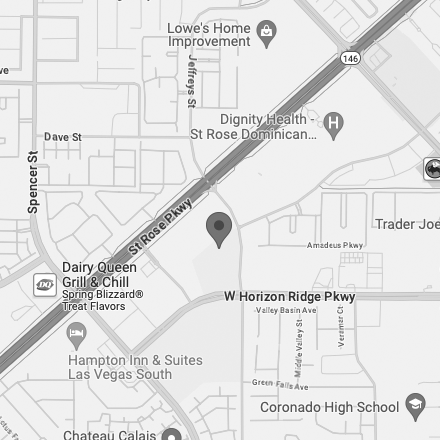
10521 Jeffreys St #200
Henderson, NV 89052
Monday8:00am to 8:00pm
Tuesday8:00am to 5:00pm
Wednesday7:00am to 6:00pm
Thursday8:00am to 5:00pm
Two Fridays per month8:00am to 2:00pm